TL;DR. Classic carpal tunnel symptoms are numbness and tingling in the thumb, index and middle fingers, often worst at night, sometimes with a weaker grip. It comes from pressure on the median nerve where it passes through the wrist. It is common, it is more common in women and after 50, and the guideline that physiotherapists follow notes that people whose symptoms are more recent tend to do better without surgery. If your hand has been waking you up, you can book an assessment at our Côte-des-Neiges clinic.
It usually starts at night. You wake up with a hand that feels asleep, shake it out, and go back to sleep. Then it happens holding the phone, then holding the steering wheel, then it starts to feel clumsy picking up a coffee cup.
That pattern has a name, and it is one of the most common nerve problems in the hand. Here is what is going on, who it tends to affect, and what we look at when you come in.
What the carpal tunnel actually is
The carpal tunnel is a narrow passage at the base of your hand. Its floor and walls are the small carpal bones; its roof is a stiff band called the transverse carpal ligament. Through that rigid space run nine flexor tendons, the ones that curl your fingers, and one nerve: the median nerve.
Carpal tunnel syndrome is what happens when that nerve is compressed inside the tunnel. Pressure measured inside the tunnel in people with the condition is many times higher than after it is surgically released, and the current understanding is that raised pressure reduces the nerve's blood supply, which is what produces the tingling and, over time, the weakness.
The median nerve supplies sensation to the thumb, the index finger, the middle finger and the thumb side of the ring finger. That map is the whole reason the symptoms feel the way they do.
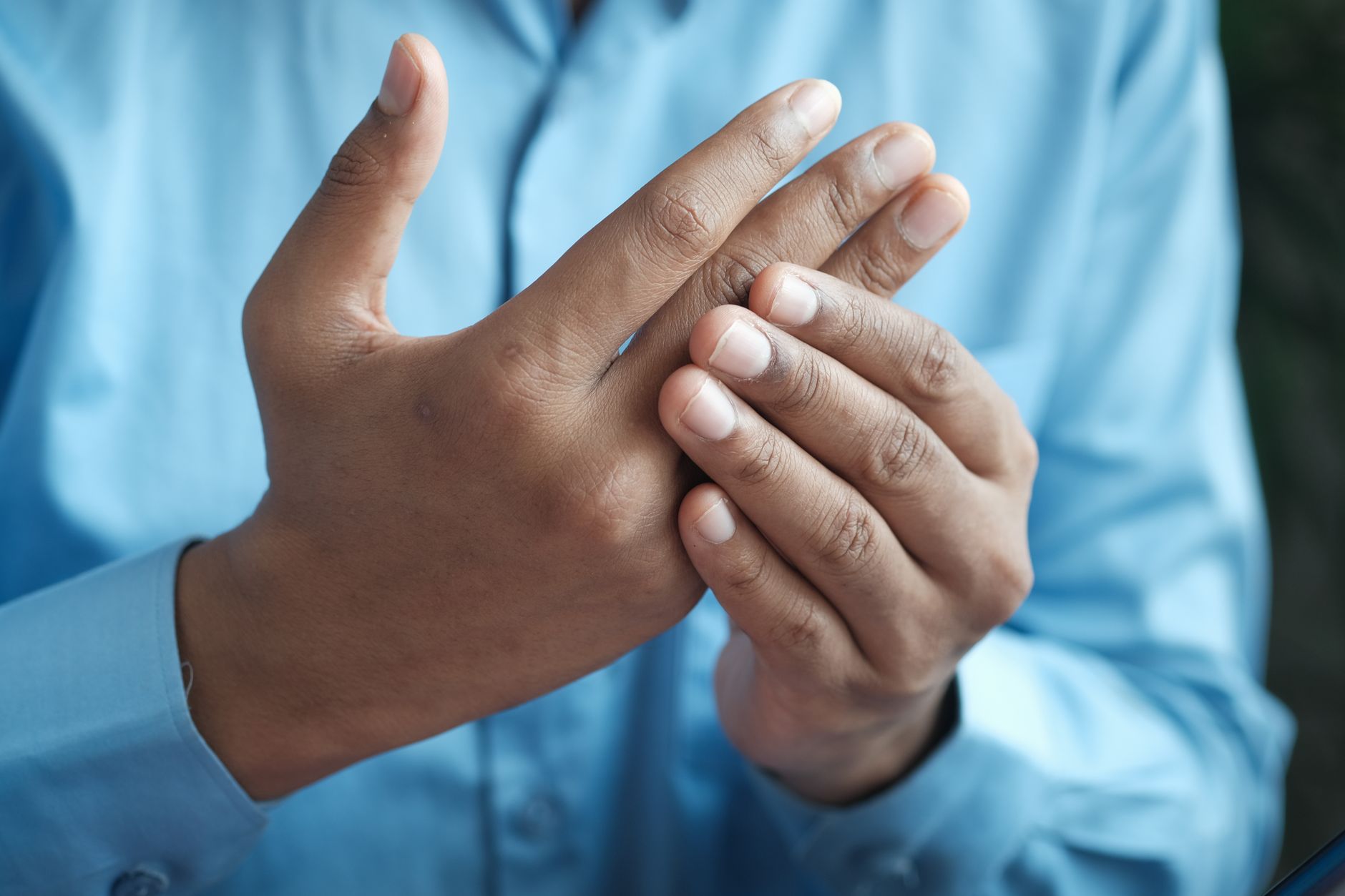
What are the symptoms of carpal tunnel syndrome?
The classic symptoms, in the guideline's own words, are numbness and tingling in the median nerve distribution of the hand, and, in more severe cases, loss of strength in the muscles the nerve controls further down. Some people also feel pain travelling up the forearm, occasionally as far as the shoulder.
People describe it in more everyday terms:
Who tends to get it
The guideline is unusually clear on risk factors, because the research is large. The strongest are personal rather than occupational:
| Factor | What the evidence says | Where it comes from |
|---|---|---|
| Being female | Risk 1.5 to 4 times higher than in men | Level I and II studies in the CPG |
| Age | Risk rises steadily with age and more than doubles after 50 | Level I and II studies in the CPG |
| Body weight | Risk rises with BMI and at least doubles above a BMI of 30 | Prospective studies and one meta-analysis |
| Diabetes | Higher risk, similar for type 1 and type 2 | A meta-analysis and a large prospective study |
| Forceful hand work and vibrating tools | Among the strongest work-related associations | Meta-analysis of 37 occupational studies |
| Computer use | Two large prospective studies found no increased risk; the evidence overall is described as insufficient | Systematic reviews in the CPG |
That last row surprises people. Typing all day is what most of us blame, and the large studies do not support it as a cause on its own. Gripping hard and repeatedly, or holding a vibrating tool, carry much stronger associations. What you do with your hands matters more than how many emails you send.
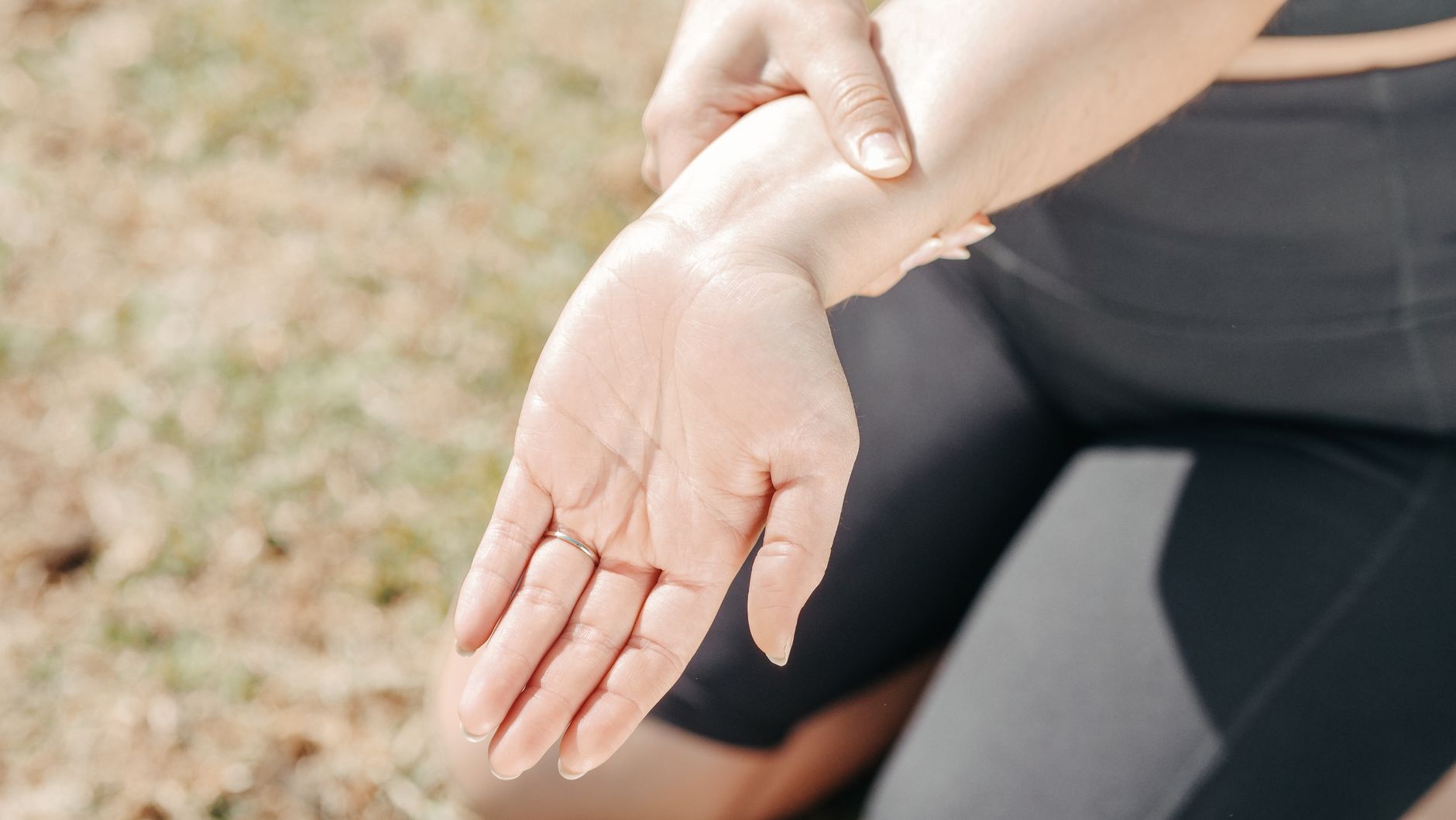
Why sooner is better, in the guideline's own terms
The guideline reviews what predicts a good outcome without surgery. Two of the best predictors it names are a shorter symptom duration, under a year, and milder night-time symptoms. People who wait tend to arrive with more established nerve changes.
A tingling hand is not always a wrist problem, either: a stiff, irritated neck can send the same symptoms down the arm, and so can a shoulder that is pinching its own tendons. We cannot tell you how your hand will respond, and we will not pretend to. What we can say is that the research points in one direction: the earlier a numb hand is assessed, the more options are on the table.
What an assessment of carpal tunnel symptoms looks at
A first appointment is mostly questions and hands-on checks. It exists to work out whether the median nerve at the wrist is actually the problem, because several other things produce a tingling hand.
What we do about it
Once the assessment has found the true cause of your pain, your physiotherapist builds an individualized plan of care around three phases of recovery.
Our team offers customized treatment for wrist and hand problems, with the aim of relieving pain, improving mobility and strengthening the hands and wrists. Manual therapy, soft tissue mobilization and movement rehabilitation are the tools we use, along with deep tissue and release techniques where they fit. The plan is built from what the assessment finds, not from a template.
We offer direct billing to several insurance companies. Check your plan for physiotherapy coverage before you book.
When to see a doctor rather than wait
Numbness that is constant rather than coming and going, visible wasting of the muscle at the base of the thumb, or weakness that is getting worse, are reasons to see your physician promptly. So is numbness in both hands with other symptoms, or anything that started after an injury.
Frequently asked questions
Why is it worse at night?
Does typing cause carpal tunnel syndrome?
Can carpal tunnel symptoms come from the neck?
Do I need a doctor's referral to see a physiotherapist?
Sources
- Erickson M, Lawrence M, Jansen CWS, Coker D, Amadio P, Cleary C. Hand Pain and Sensory Deficits: Carpal Tunnel Syndrome. Clinical Practice Guidelines Linked to the International Classification of Functioning, Disability and Health From the Academy of Hand and Upper Extremity Physical Therapy and the Academy of Orthopaedic Physical Therapy of the American Physical Therapy Association. Journal of Orthopaedic & Sports Physical Therapy 2019;49(5):CPG1-CPG85. https://doi.org/10.2519/jospt.2019.0301
- Physio Pain Solutions. Wrist and hand pain treatment page, as published on 21 September 2026.
If your hand has been waking you at night, the useful next step is a proper look at it. You can book an assessment online in under a minute.