TL;DR. Lymphatic drainage massage is a gentle, light-pressure technique that helps move lymph fluid through the body. It is used mainly for swelling: after surgery, after an injury, or with lymphedema. It is not a deep tissue massage and it should not hurt. If you are dealing with swelling and want to know whether it fits your situation, you can book a session with our lymphatic drainage massage therapist in Côte-des-Neiges.
Most people who search for lymphatic drainage have one of two things in mind. Either a leg or an arm that stays swollen, often after an operation, or a treatment they saw online promising a slimmer face and a flatter stomach.
The first group is who this technique was built for. Here is what it actually is, what it is used for, and what happens when you book one with us.
What lymphatic drainage massage actually is
Your lymphatic system works as the body's waste removal network. It is a wide web of vessels carrying lymph, a clear fluid that moves through the body thanks to the contraction of muscles and blood vessels. Lymph carries excess fluid from the blood and tissues, plus waste that is eventually cleared in the lymph nodes.
When lymph does not circulate properly in one part of the body, fluid tends to pool there. That is the swelling. Lymphatic drainage, by imitating the pumping effect that muscle contraction normally provides, is meant to help that fluid move again.
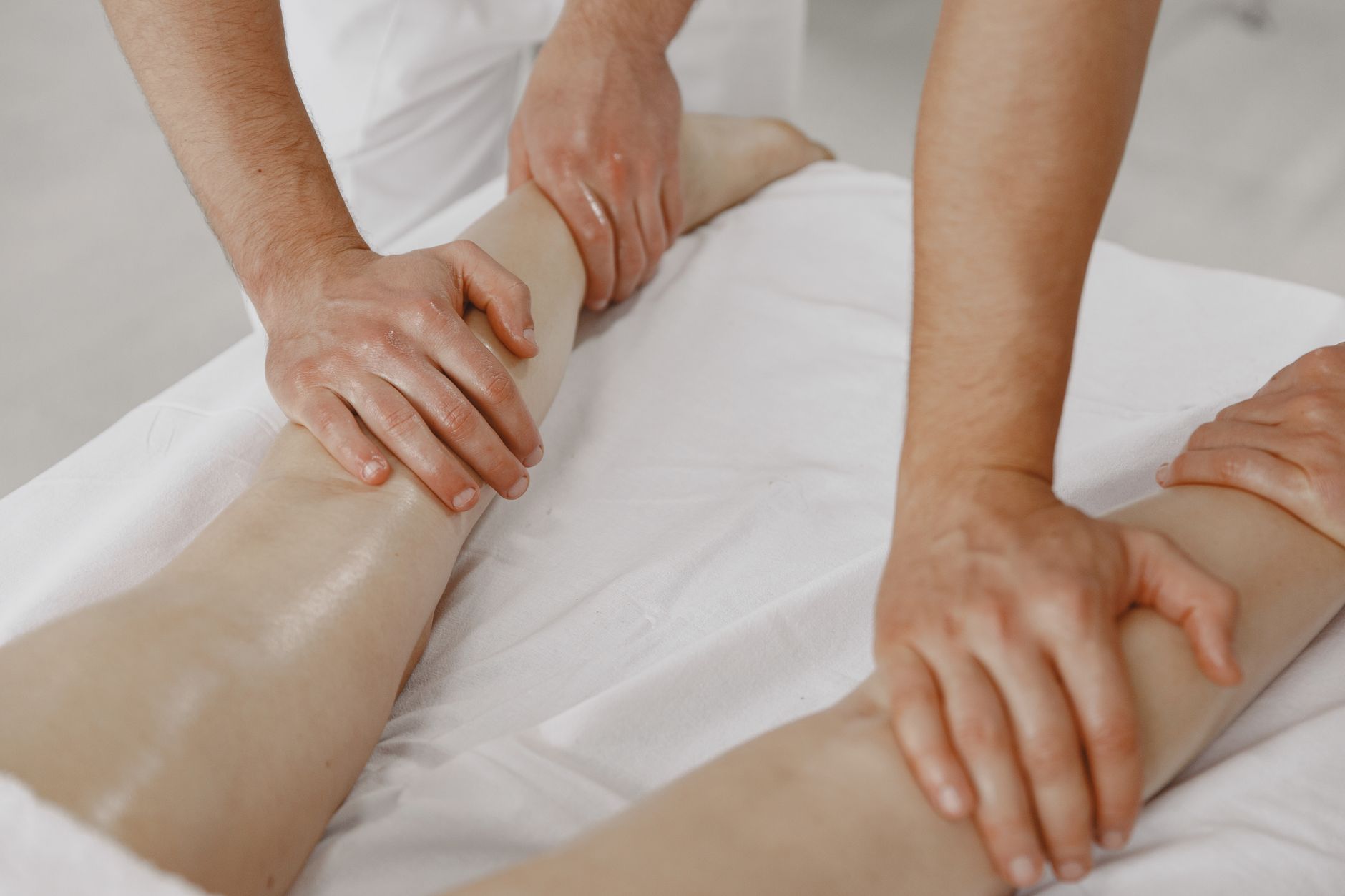
In practice the therapist applies light, circular, superficial pressure with the fingers and palms, following the path of the lymph vessels and the direction lymph flows. It is slow and it is gentle. If you have had a deep tissue massage, this is the opposite end of the scale.
Who is lymphatic drainage for?
Healthcare providers use manual lymphatic drainage mainly to relieve lymphedema after breast cancer surgery, because surgeons remove several lymph nodes during the procedure. It is also used for lymphedema related to other conditions and injuries.
The Fédération québécoise des massothérapeutes lists the situations where it may have a beneficial effect. They are more everyday than most people expect:
One honest line from the Cleveland Clinic is worth repeating: if you do not have lymphedema, you may not see meaningful results. Lymphatic drainage is a targeted tool for swelling, not a general massage.
Lymphatic drainage or deep tissue: which one are you actually looking for?
This is the question we hear most, and the two could not be more different. If you are sore, tight and knotted, lymphatic drainage will feel like nothing is happening. If you are swollen after surgery, a deep tissue massage is the wrong tool entirely.
| What you are dealing with | Lymphatic drainage | Deep tissue massage | Relaxation massage |
|---|---|---|---|
| The pressure | Light and superficial, following the lymph vessels | Firm, into the deeper layers of muscle and connective tissue | Medium, soothing, full body |
| What it targets | Fluid that is pooling: swelling, lymphedema, post-surgical puffiness | Muscle knots, chronic tension, stiffness after an injury | Stress and general tension |
| Who usually books it | Someone with a swollen limb, a recent operation or a lymphedema diagnosis | Someone with a sore back, neck or shoulder that will not let go | Someone who needs to switch off |
| What it feels like | Slow and almost too gentle | Intense, sometimes uncomfortable in the moment | Calming |
What a lymphatic drainage massage therapist does in a session
A session with our lymphatic drainage massage therapist runs sixty minutes. Here is the shape of it, which follows the standard the FQM describes:
Massage therapy at our clinic
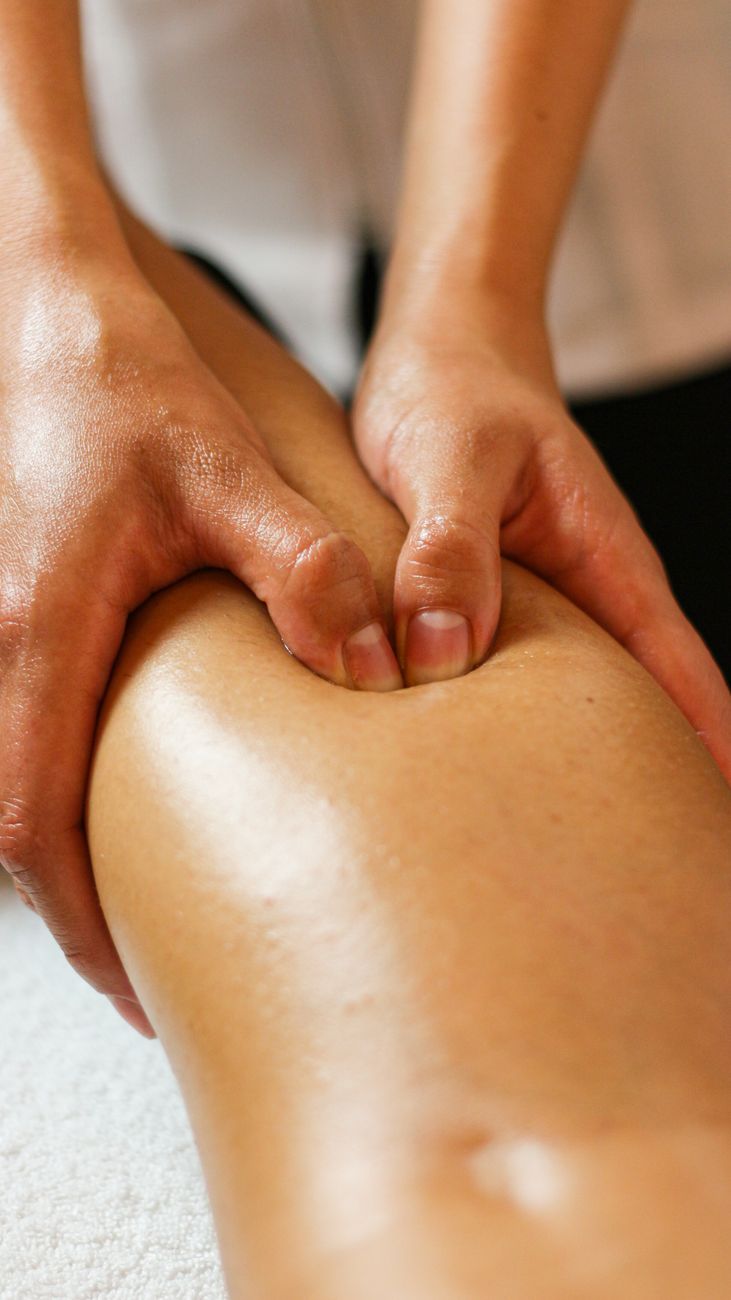
Our massage therapy services are designed to relieve pain, improve mobility and support recovery, not only to relax. Lymphatic drainage massage is one of the sessions you can book directly, alongside Swedish, deep tissue, sports and hot stone massage. If you are not sure which one you need, our guide to massage therapy at a physio clinic walks through each.
Because we are a physiotherapy clinic, the massage therapist and the physiotherapist are down the hall from each other. If the swelling you came in with turns out to be part of a bigger picture, an ankle that was never properly rehabilitated after a sprain, say, the next step is an assessment rather than a guess. Our physiotherapists look for the true cause first, then build a plan of care in three phases: pain management, strengthening and mobility, then maintenance and return to activity.
We offer direct billing to a number of insurance companies. Check your plan for massage therapy coverage before you book.
When to see a doctor first
Swelling has causes that a massage cannot touch, and some of them are urgent. Sudden swelling in one leg with pain, warmth or redness needs a doctor, not a massage. So does any new swelling you cannot explain. The FQM recommends getting your treating physician's authorization before lymphatic drainage, and our therapist will ask.
Frequently asked questions
Does lymphatic drainage massage hurt?
Do I need a doctor's note?
Can I do lymphatic drainage on myself?
Is it covered by insurance?
Sources
- Cleveland Clinic. Lymphatic Drainage Massage. Medically reviewed, last updated 19 September 2024. https://my.clevelandclinic.org/health/treatments/21768-lymphatic-drainage-massage
- Fédération québécoise des massothérapeutes. Le drainage lymphatique. https://www.fqm.qc.ca/le-drainage-lymphatique/
- Physio Pain Solutions. Massage therapy services and online booking, as published on 21 September 2026.
If swelling is what brought you here, the simplest next step is to book a lymphatic drainage session and let the questionnaire at the start confirm it is the right fit.