TL;DR. Massage therapy comes in two broad kinds: relaxation and therapeutic. A sports massage therapist working in a physiotherapy clinic does the second kind, with a specific goal for each session, a health questionnaire first, and a physiotherapist down the hall when the problem turns out to be bigger than a tight muscle. If you are sore, stiff or recovering from something, you can book a massage at our Côte-des-Neiges clinic and choose the length that fits.
Massage is the treatment everyone has an opinion about. Some people book it as a treat. Some people book it because their shoulder has been a knot for three weeks. The two are not the same appointment, and knowing which one you need is most of the decision.
Here is how the professional bodies in Quebec describe the difference, what each technique we offer is for, and what changes when the massage table is inside a physiotherapy clinic.
What massage therapy actually is
The Réseau des massothérapeutes professionnels du Québec defines massage therapy as a form of manual therapy grouping many different techniques: the modern, structured version of therapy by touch that has always been practised around the world. Depending on the technique, a massage can include gliding strokes, kneading, friction, percussion and vibration, with or without oil.
The RMPQ then draws the line that matters. There are two ranges of care. Relaxation massage calms the nervous system and reduces the effects of stress on the body. Therapeutic massage works on the fascia and muscle chains, on tensions and spasms, to reduce pain and discomfort and to help prevent muscle and joint problems from appearing.
Sports massage sits firmly on the therapeutic side. The RMPQ describes it as a technique aimed at a specific clientele that maximises muscular potential and recovery, and helps prevent injury. You do not have to be an athlete to book one. You have to have a muscle that is not doing its job.
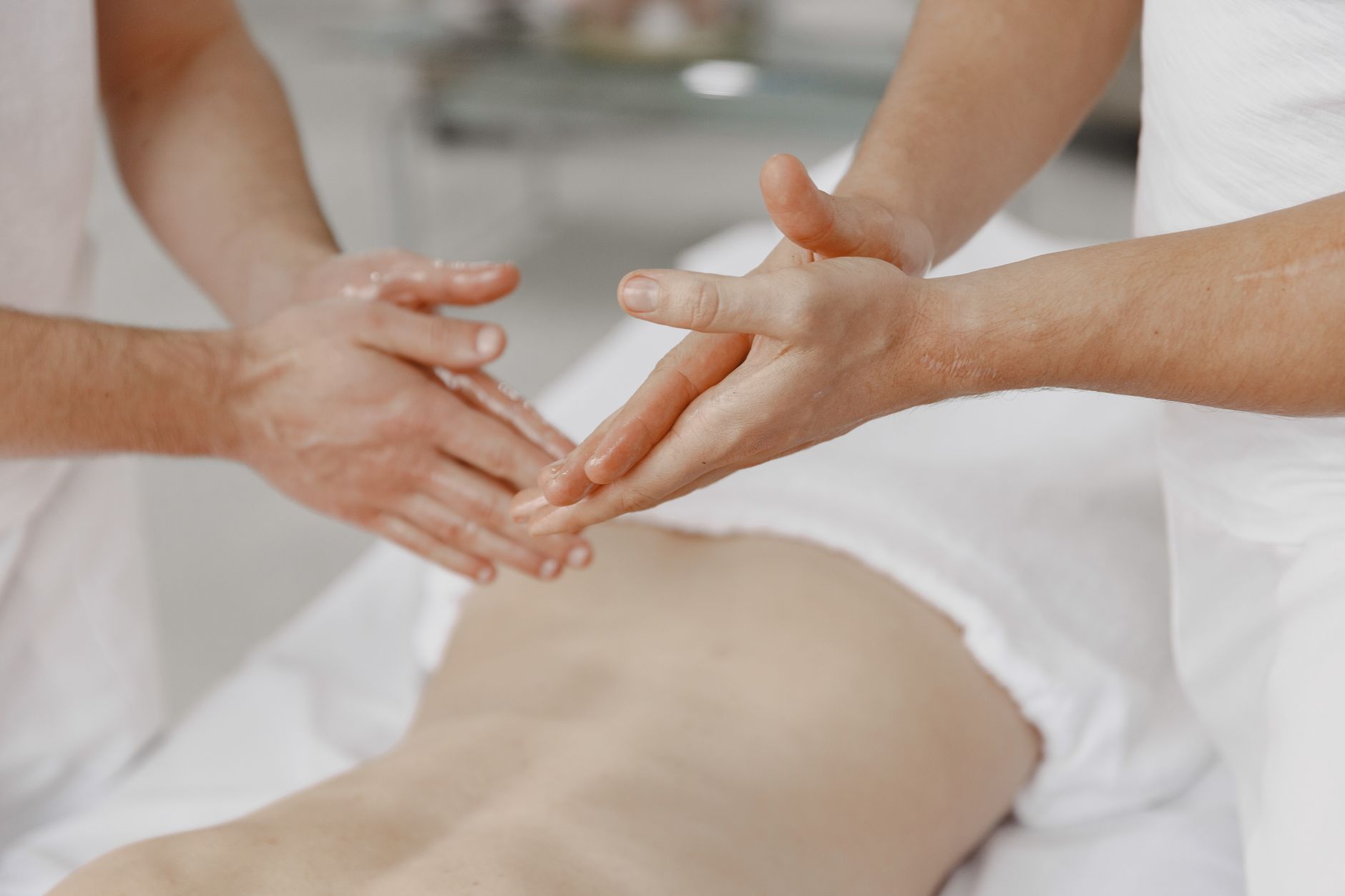
Which massage do you actually need?
Our massage therapy services go beyond relaxation: they are designed to relieve pain, improve mobility and support recovery. These are the techniques on our menu and what each one is for, in the words of our own service page.
| Technique | What it targets | Who usually books it |
|---|---|---|
| Deep tissue massage | The deeper layers of muscle and connective tissue: chronic pain, muscle knots, flexibility | A back, neck or shoulder that has been tight for weeks |
| Sports massage | Muscular recovery and injury prevention, per the RMPQ's description | Runners, gym-goers, anyone training for something, and anyone whose job is physical |
| Trigger point therapy | Specific muscle knots that refer pain elsewhere | A headache that starts in the shoulders, a knot you can point to |
| Myofascial release | Tight fascia, stiffness, restricted movement patterns | Stiffness that stretching does not reach |
| Cupping | Circulation and tight muscles, using suction cups | Often combined with another technique in the same session |
| Lymphatic drainage | Swelling after surgery, injury or with lymphedema. Light pressure, nothing like deep tissue | Someone with a swollen limb or a recent operation |
| Relaxation massage | Stress, general tension, overall well-being | Someone who needs to switch off |
| Reflexology | Pressure points on the feet, hands and ears | People who prefer a lighter, more targeted approach |
Lymphatic drainage is different enough from the rest that we gave it its own article. If you are not sure, say so when you book. Choosing the right technique is the therapist's job, not yours, and the health questionnaire at the start of every session exists for exactly that.
What changes when the massage table is inside a physio clinic
A spa and a clinic can employ equally skilled therapists. What differs is what happens around the table.
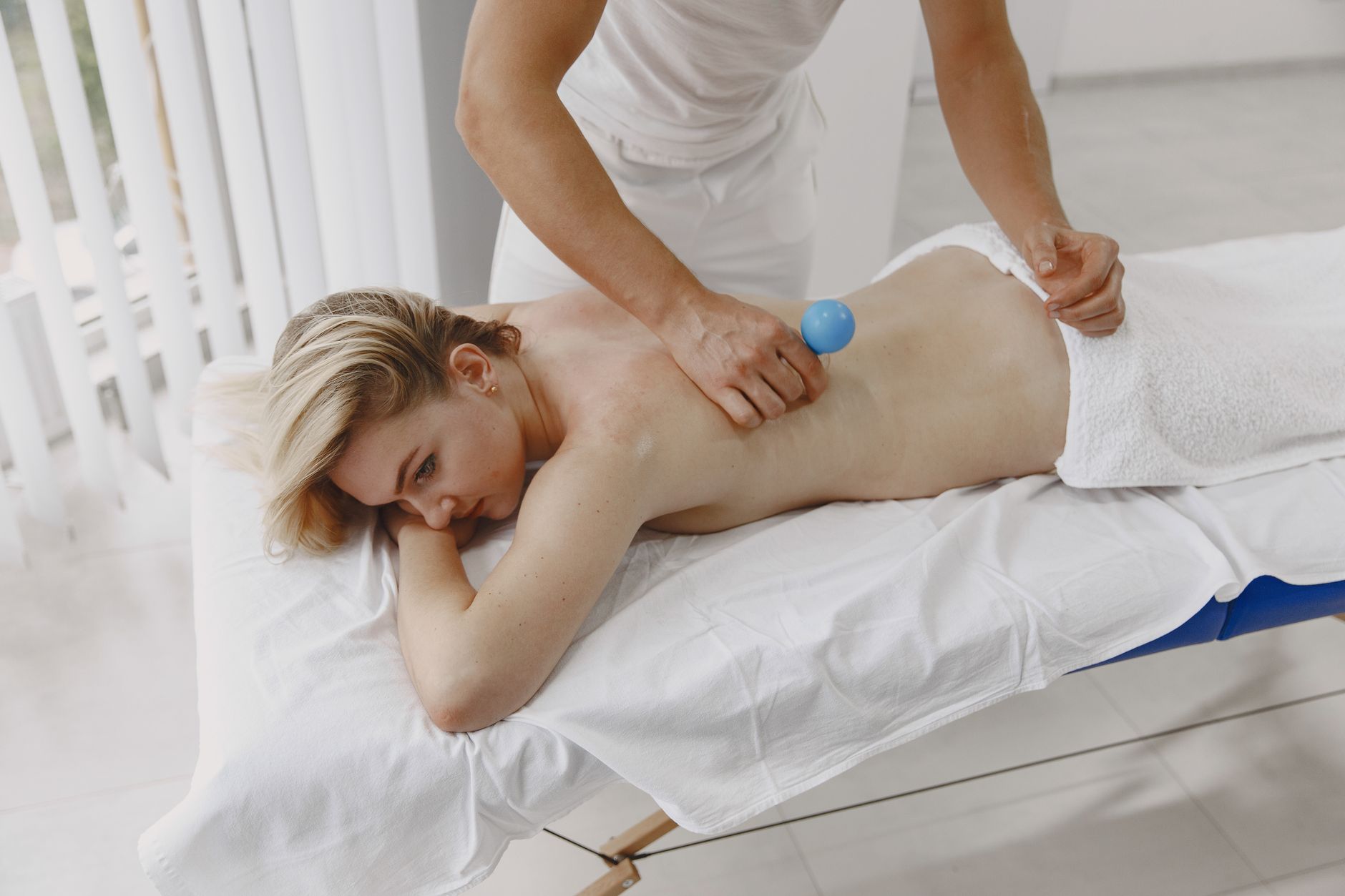
What a sports massage therapist looks at first
A therapeutic session at our clinic starts before the massage does. Here is the shape of it.
Massage or physiotherapy: which should you book first?
If you have a sore, tight muscle and nothing else, massage is a reasonable place to start. If there is an injury, a joint that does not move properly, numbness or tingling, pain that came on after a fall, or a problem that keeps coming back, such as a back that is sore every few months, start with a physiotherapy assessment. It will tell you what is going on, and massage may well be part of the plan. Both are bookable directly, and no referral is needed for either.
Once the assessment has found the true cause of your pain, your physiotherapist builds an individualized plan of care around three phases of recovery.
When to see a doctor first
A fever, an acute infection, a suspected blood clot, an injury you have not had checked, or a new swelling you cannot explain: those are a physician's visit before a massage, and the questionnaire at the start of the session will ask.
Frequently asked questions
What is a sports massage, and do I need to be an athlete?
Does therapeutic massage hurt?
Is massage therapy covered by insurance?
Can I book massage without seeing the physiotherapist?
Sources
- Réseau des massothérapeutes professionnels du Québec. Massothérapie. https://rmpq.ca/massotherapie/
- Fédération québécoise des massothérapeutes. Le drainage lymphatique, section on contraindications. https://www.fqm.qc.ca/le-drainage-lymphatique/
- Physio Pain Solutions. Massage therapy services page and online booking, including therapist profiles, as published on 21 September 2026.
If a muscle has been a knot for longer than it should, the next step is easy. You can book a massage online and pick the session length that fits.